

Your coding agents, working as one team.
Say what to build. Claude Code, Codex, Gemini CLI and the others you already use split the work, agree on how it fits, review each other’s changes, and bring you only the decisions that are yours.
One goal, start to finish.
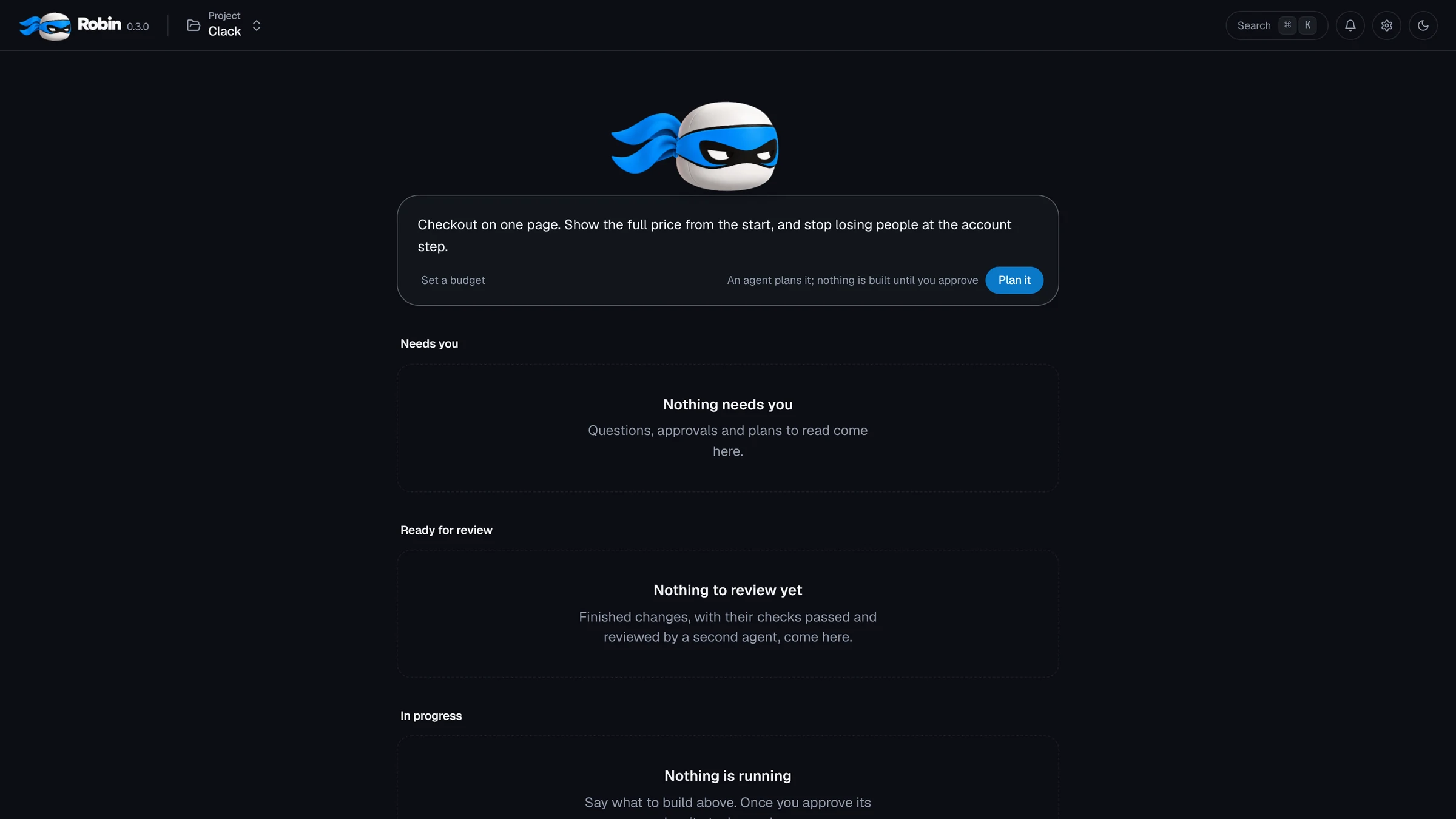
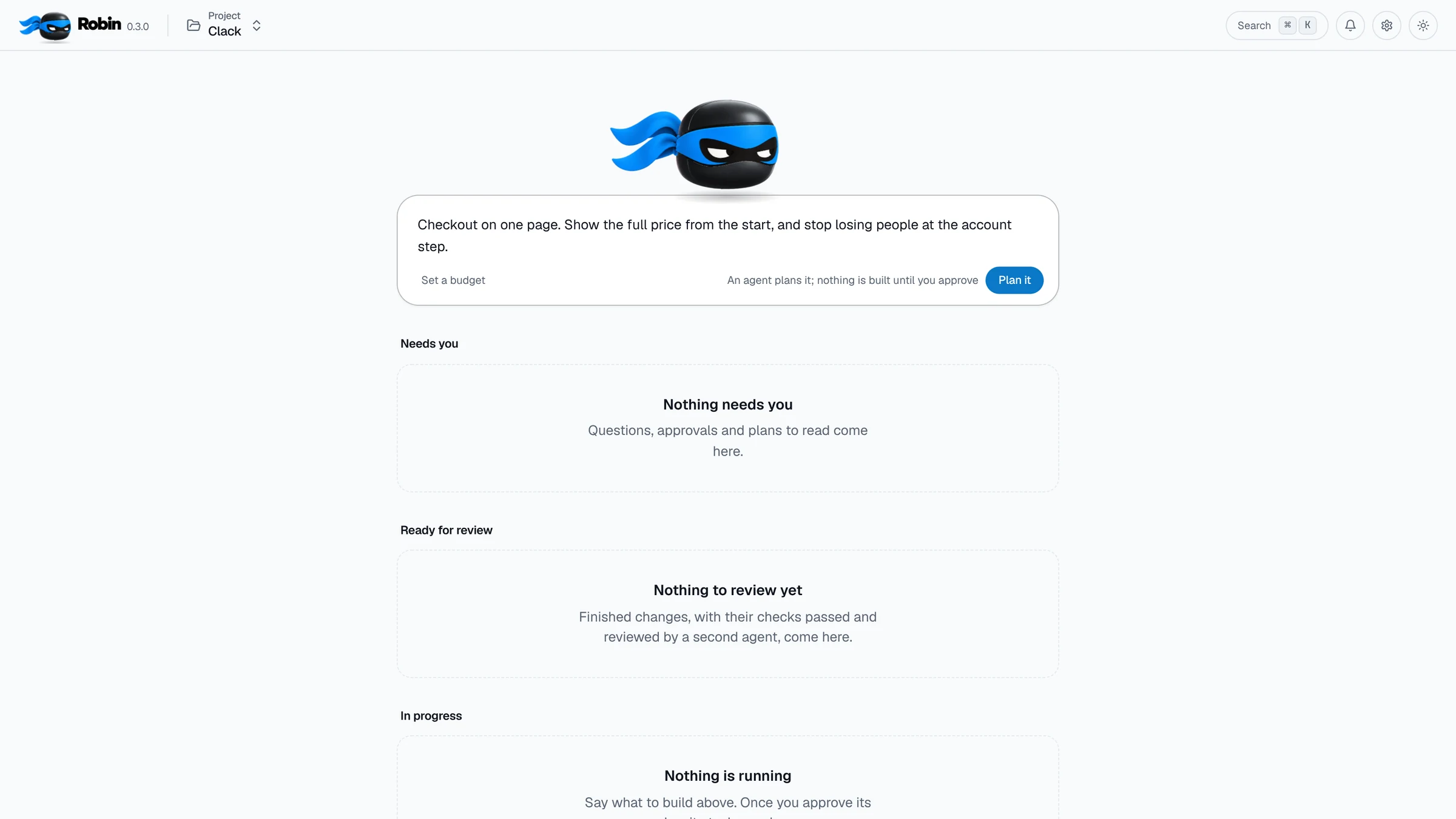
Clack is a keyboard store that loses buyers at checkout. Here is one goal for it, from the sentence you type to the merge.
- Ask
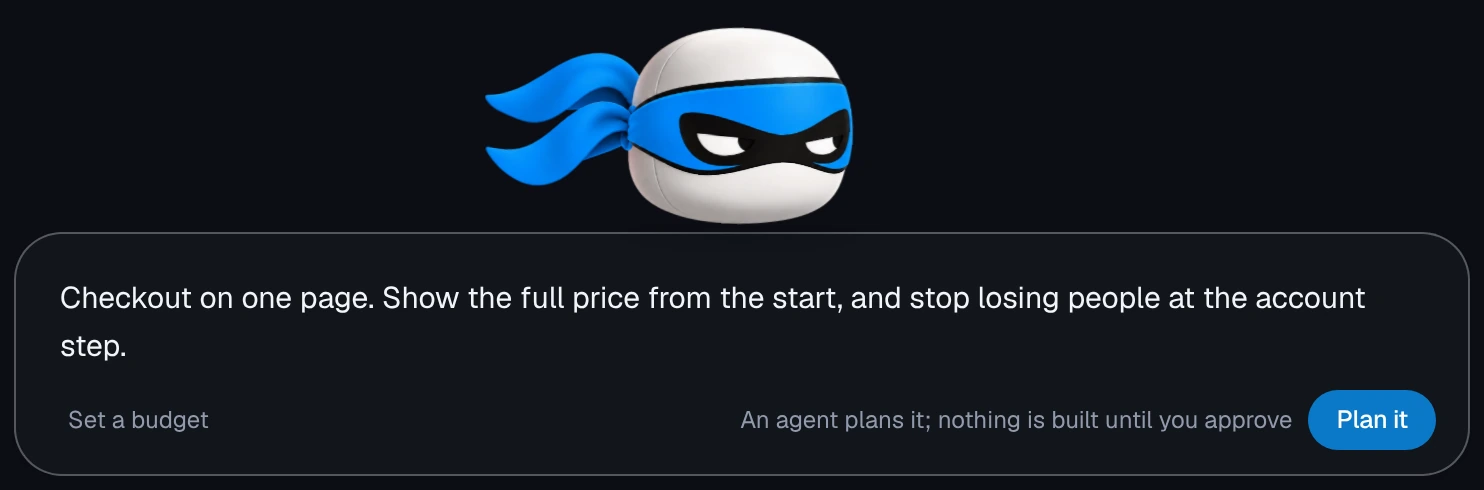
Say what you want.
One sentence, or a GitHub or Linear issue. Set a budget if you like.
- Plan
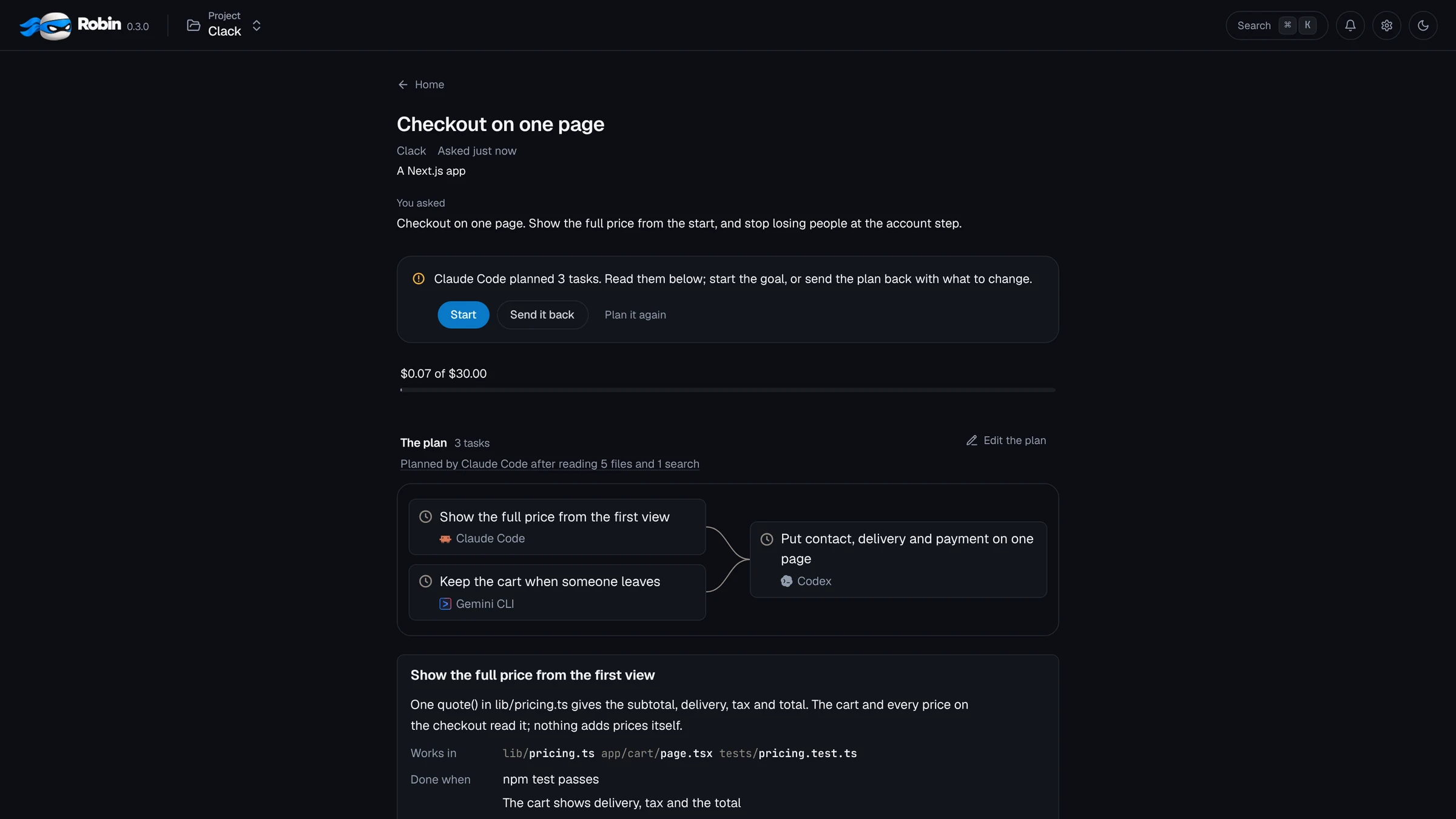
Robin plans it. You start it.
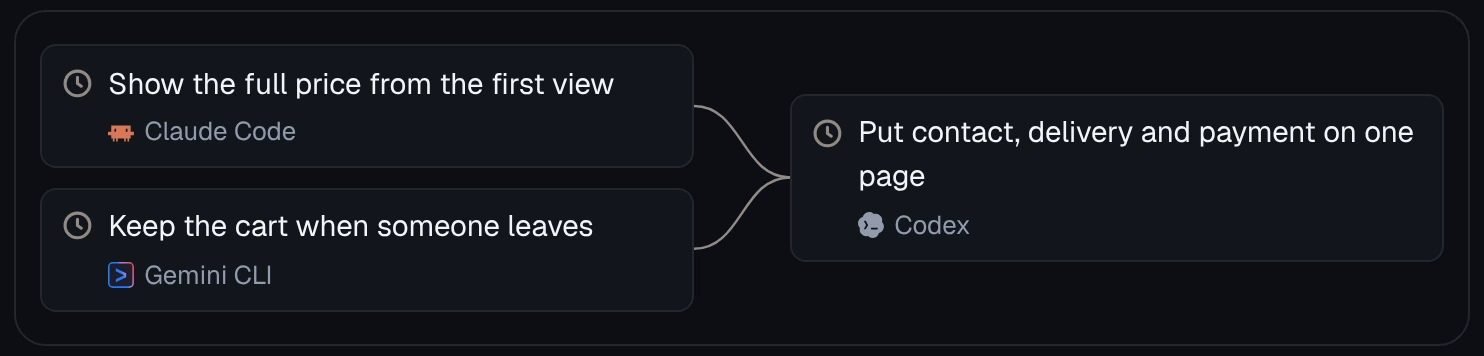
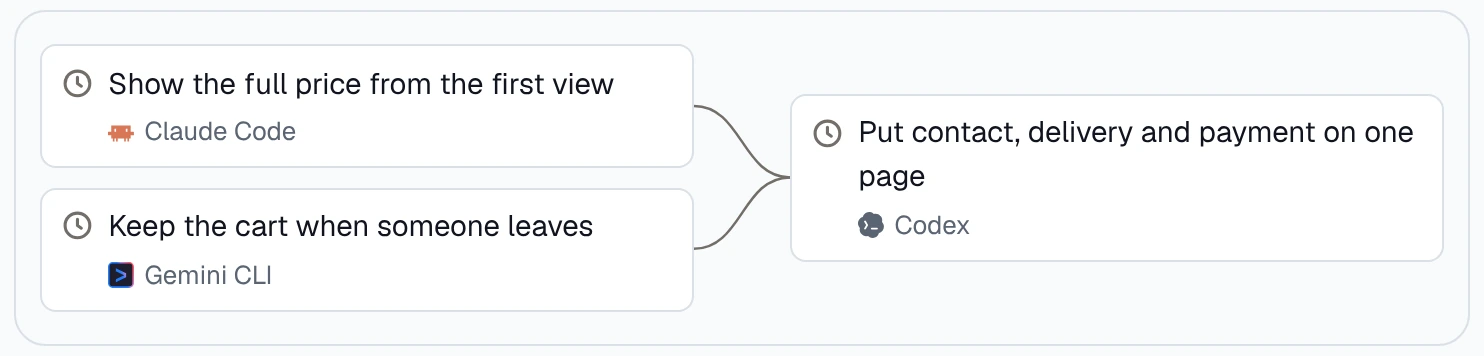
Claude Code read the code and split the goal into three tasks, each with its agent, its files and what done means. Nothing runs until you press Start.
- Work
They work in parallel.
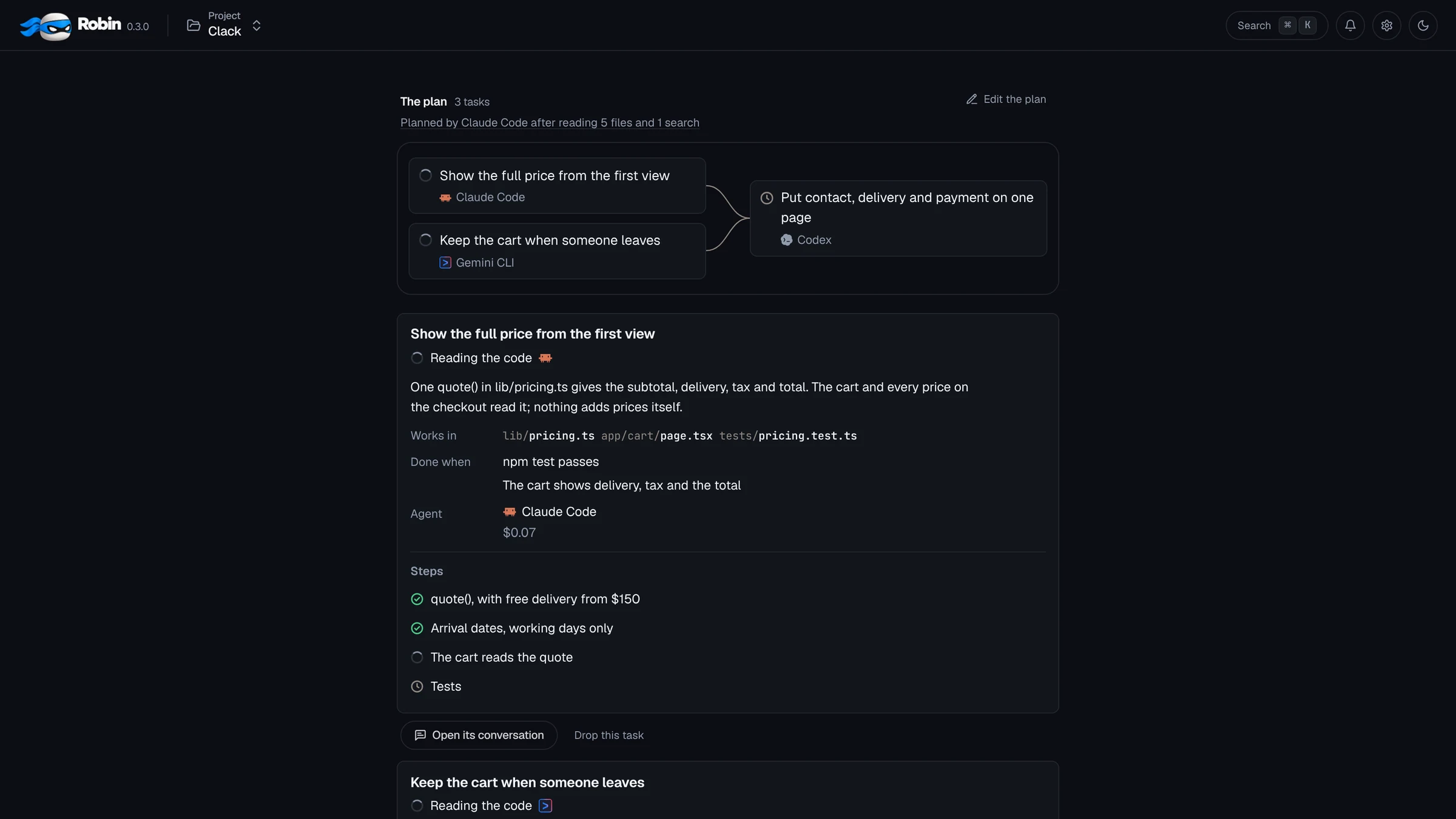
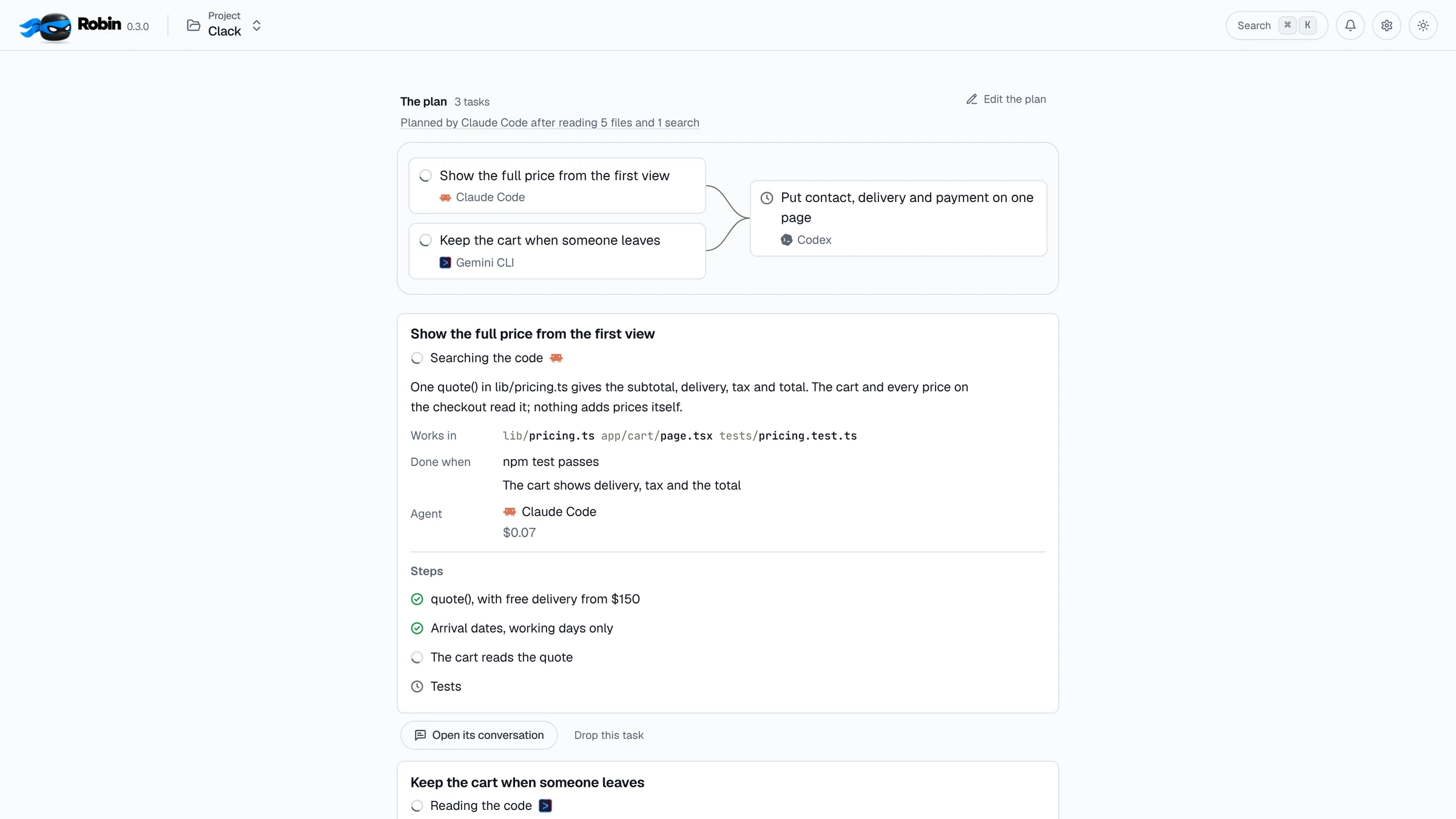
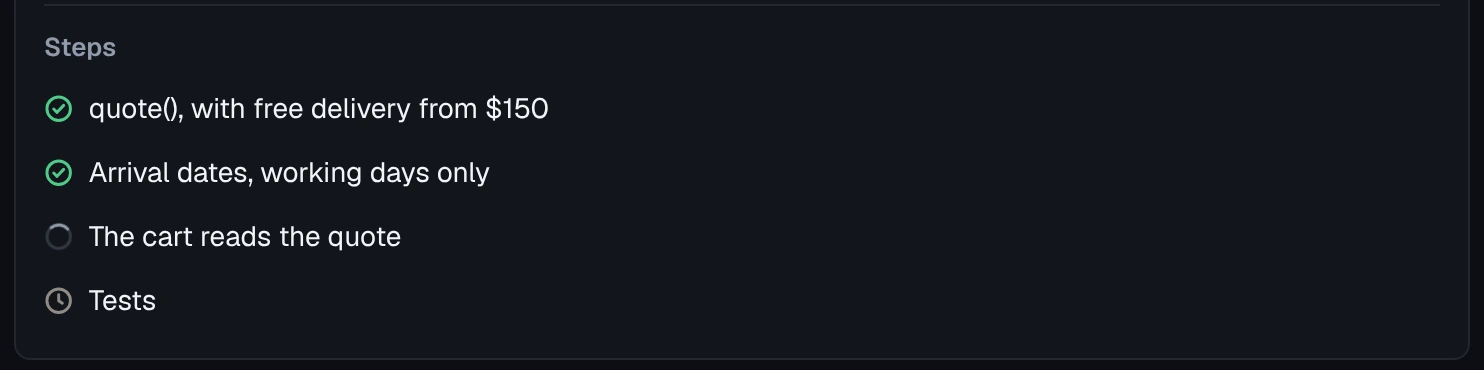
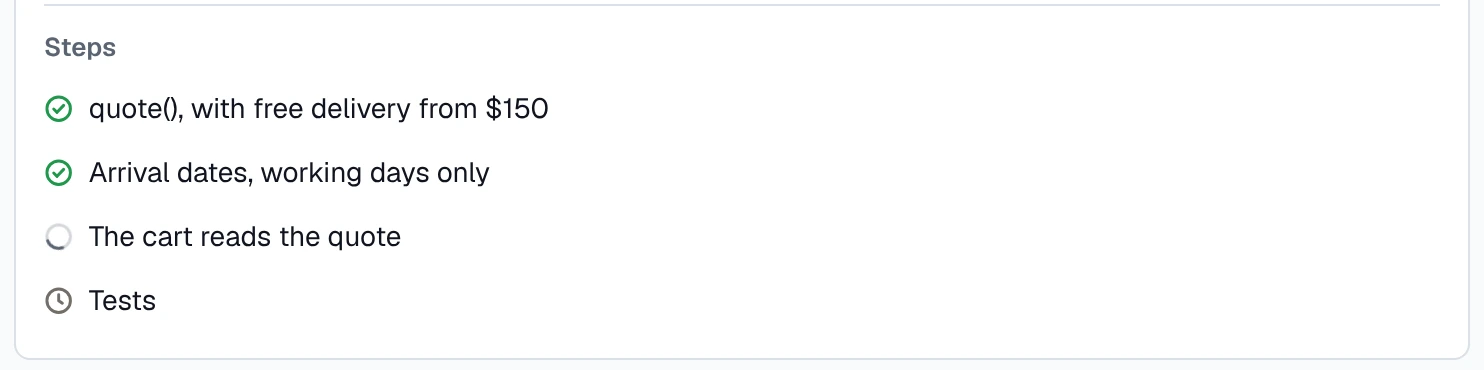
Claude Code and Gemini CLI start at once, each in its own branch, and Codex builds on both. Every task shows its steps as they happen, and what it has spent.
- Agree
They agree on how it fits.
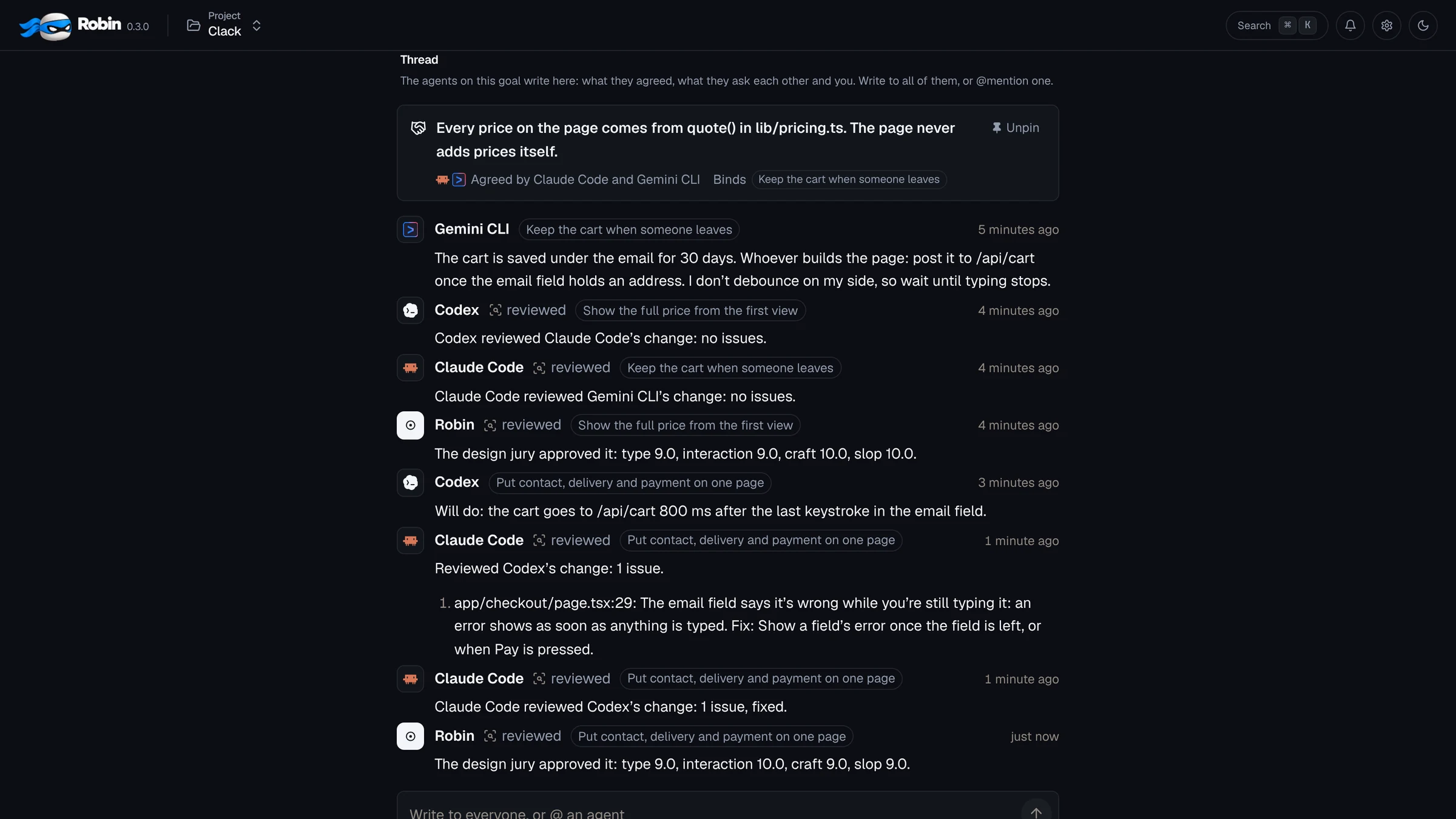
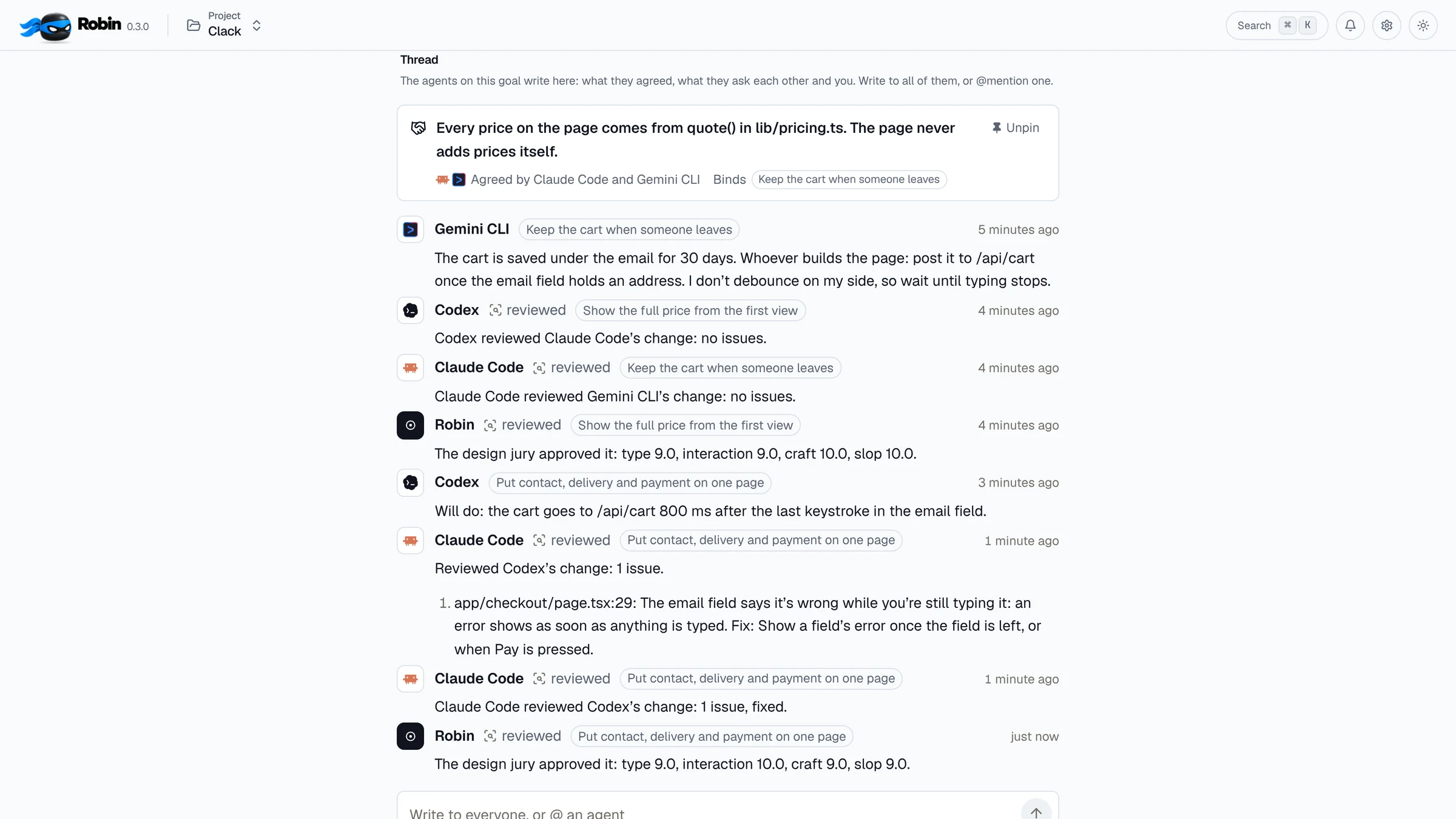
Claude Code proposed one rule for every price on the page, and Gemini CLI agreed. Pinned, the agreement binds every task it touches.


- Decide
Only real decisions reach you.
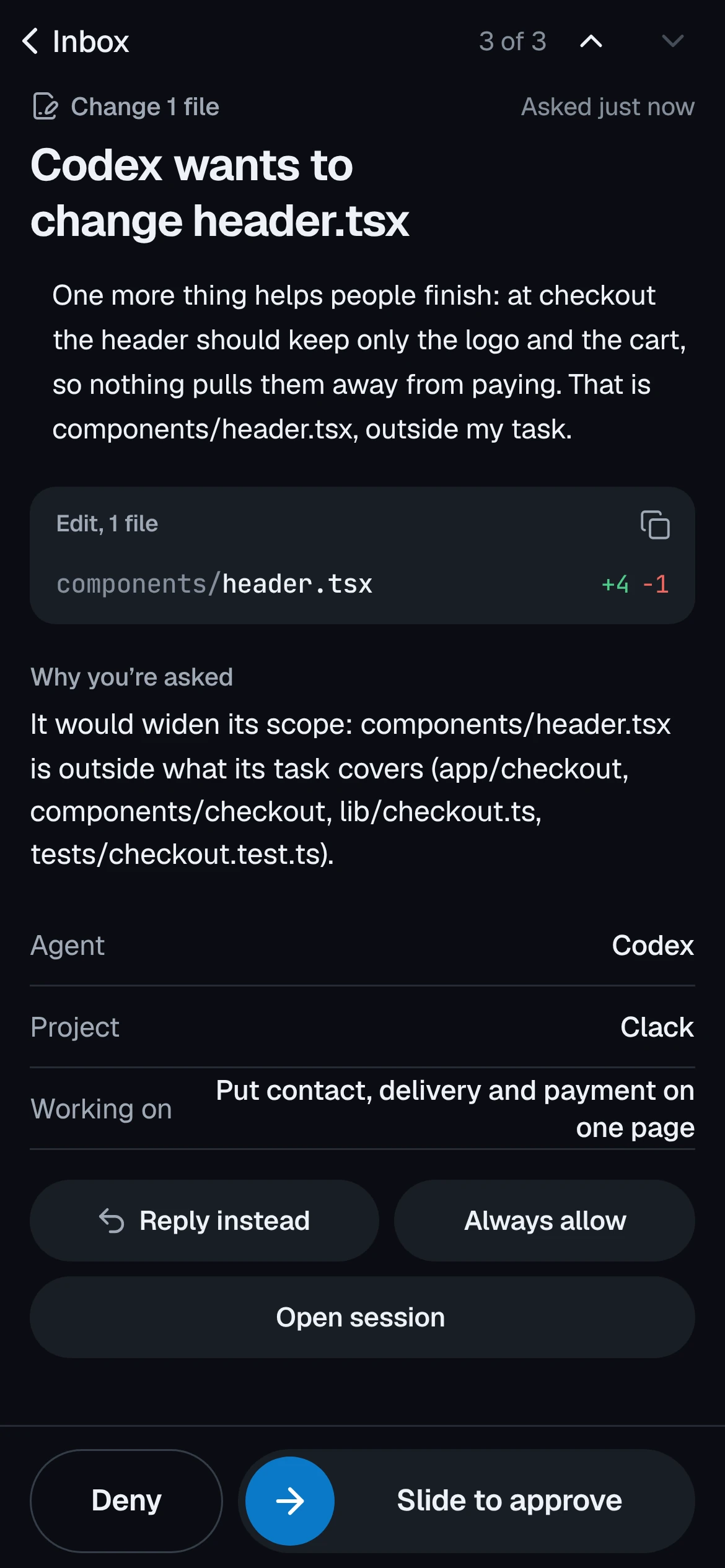
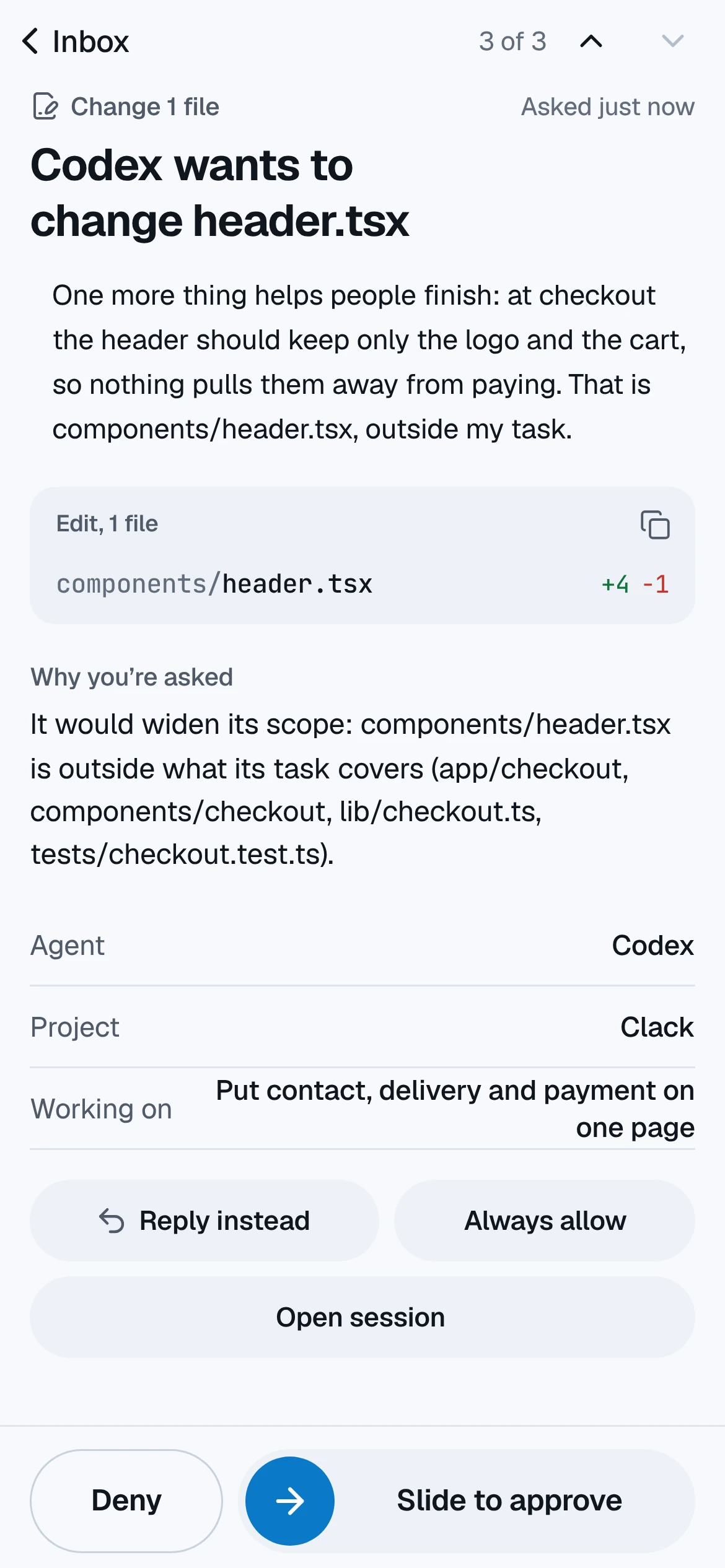
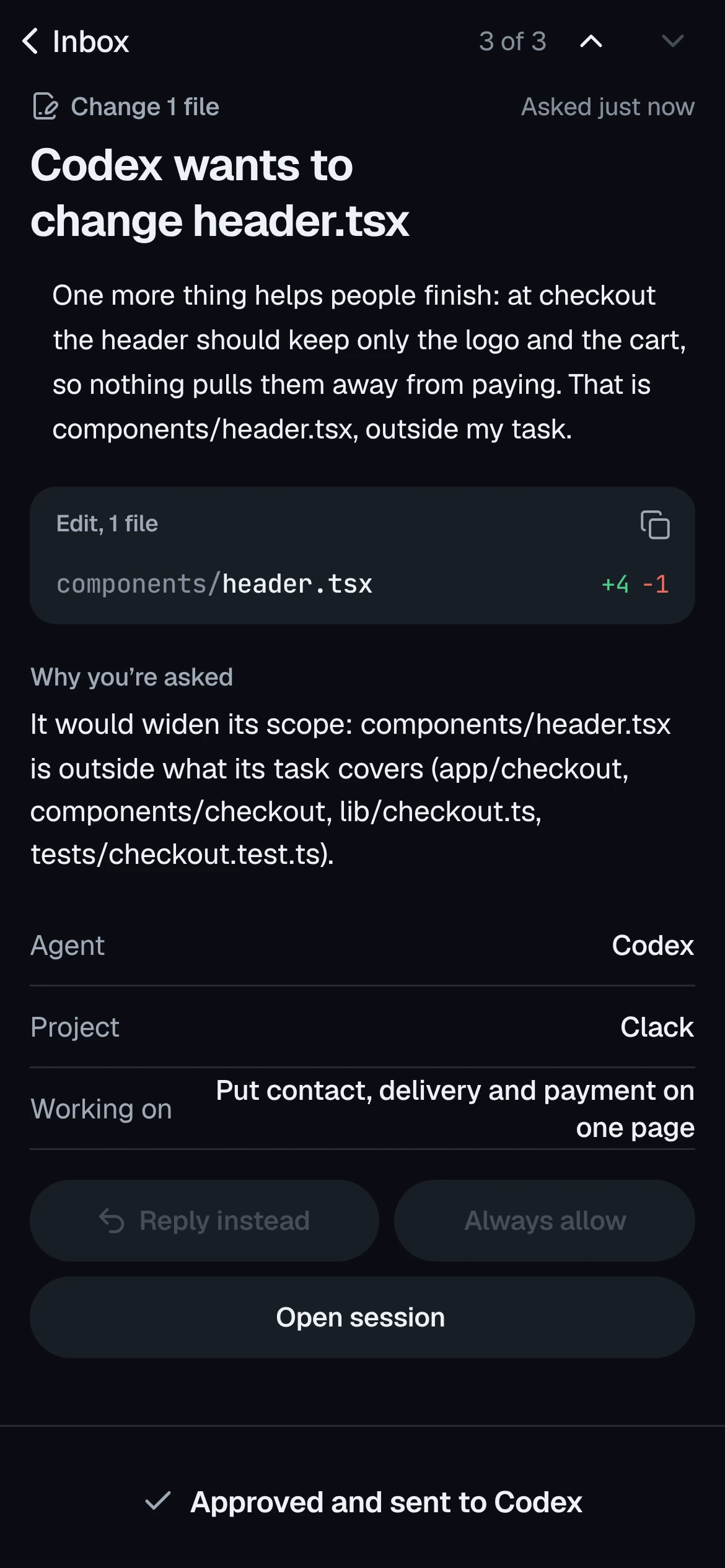
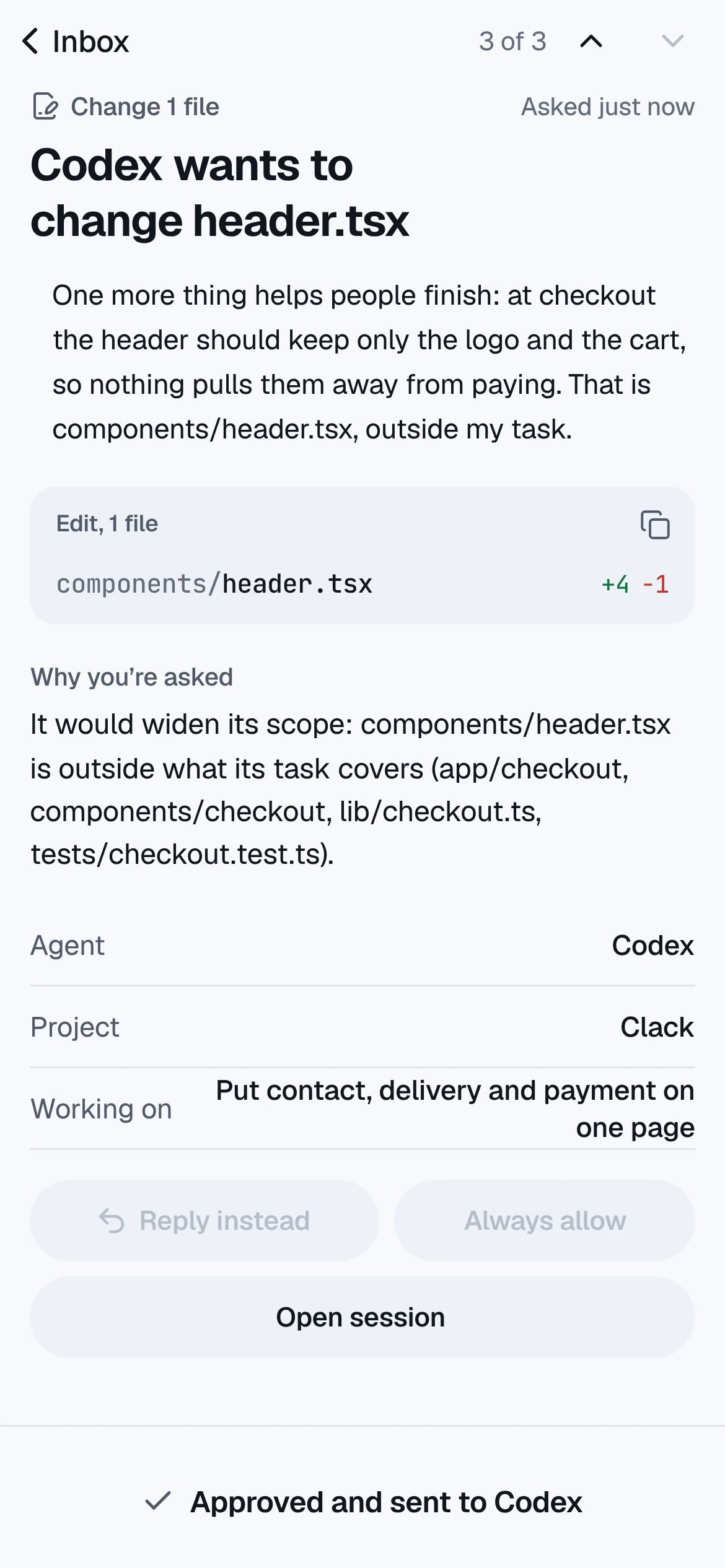
Inside its branch an agent doesn’t ask. When Codex needed a file outside its task, the request came to the phone. Try it: slide to approve.
- Review
Another vendor reviews every change.
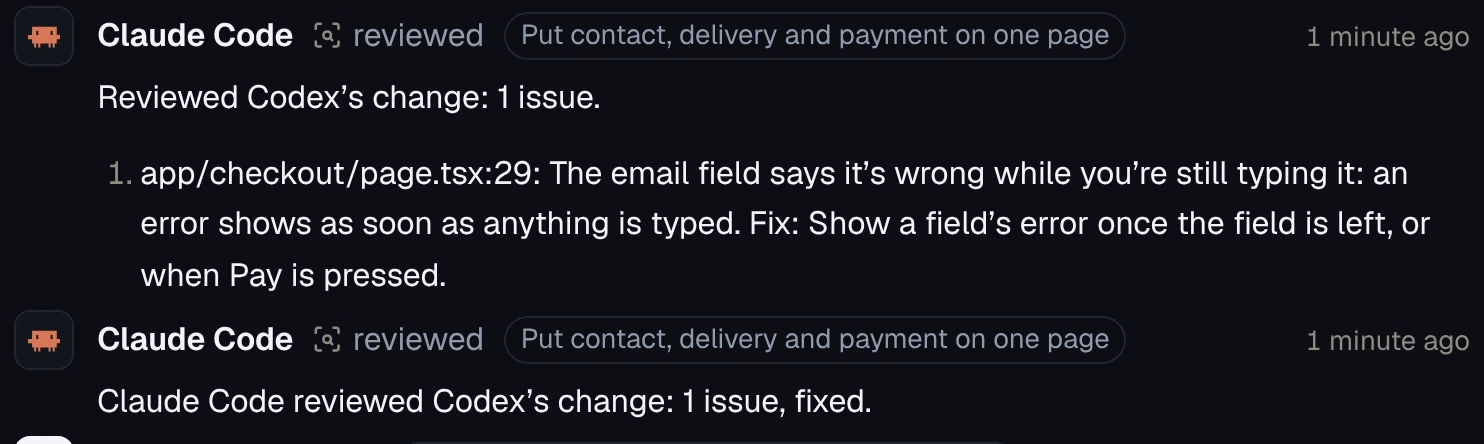
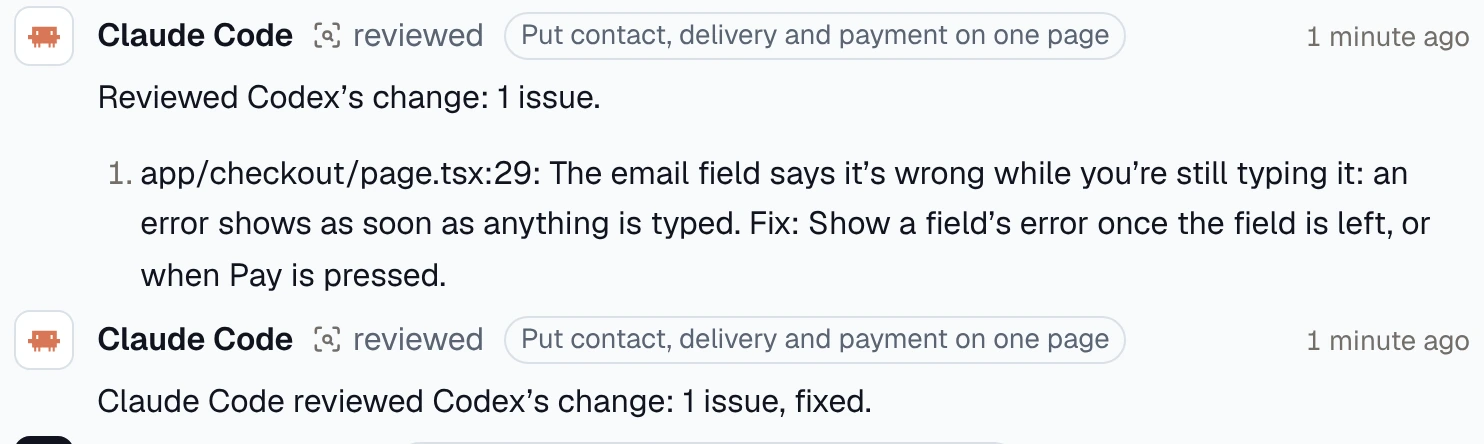
Claude Code reviewed Codex’s checkout and found that the email field showed an error while people were still typing. Codex fixed it.
- Merge
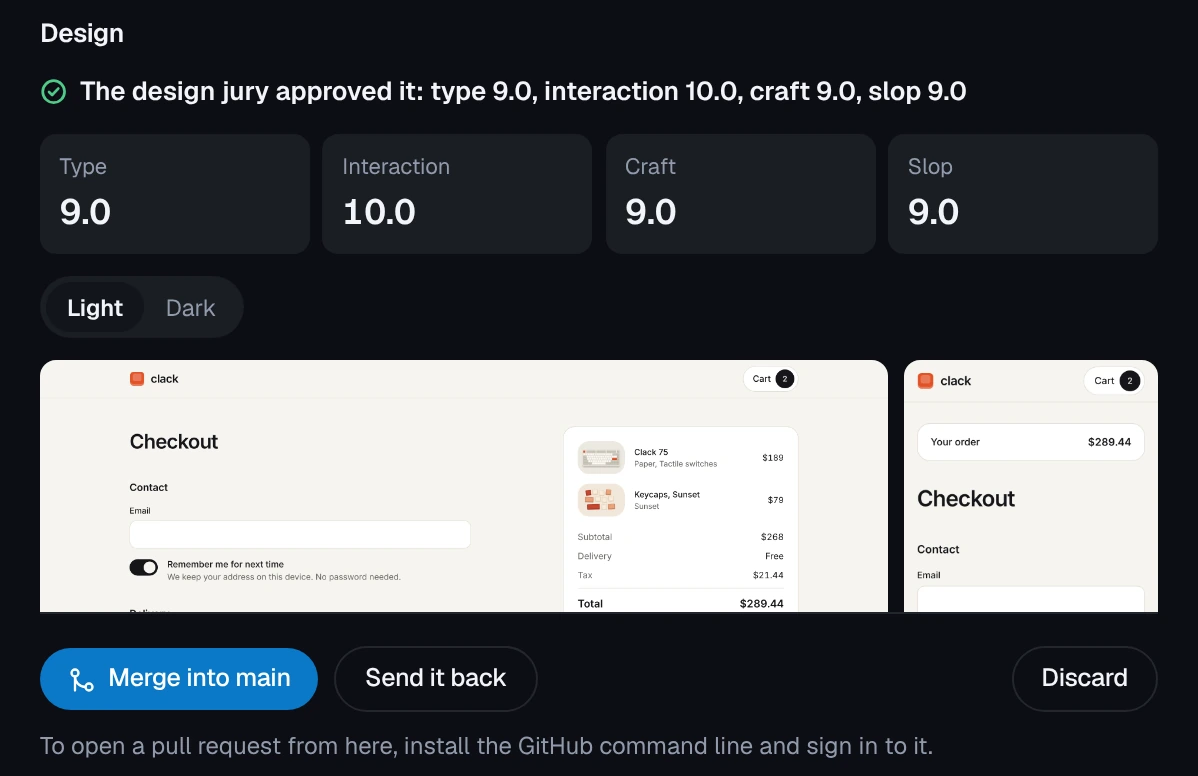
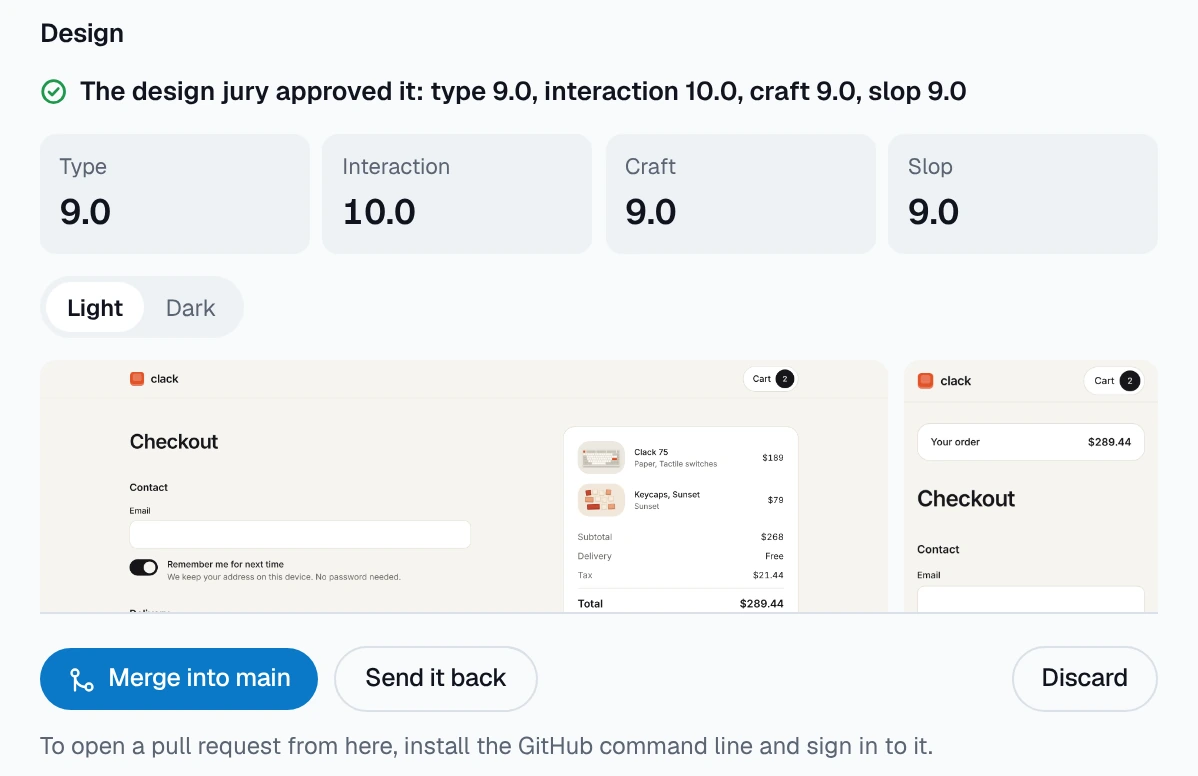
Checked, looked at, then yours to merge.
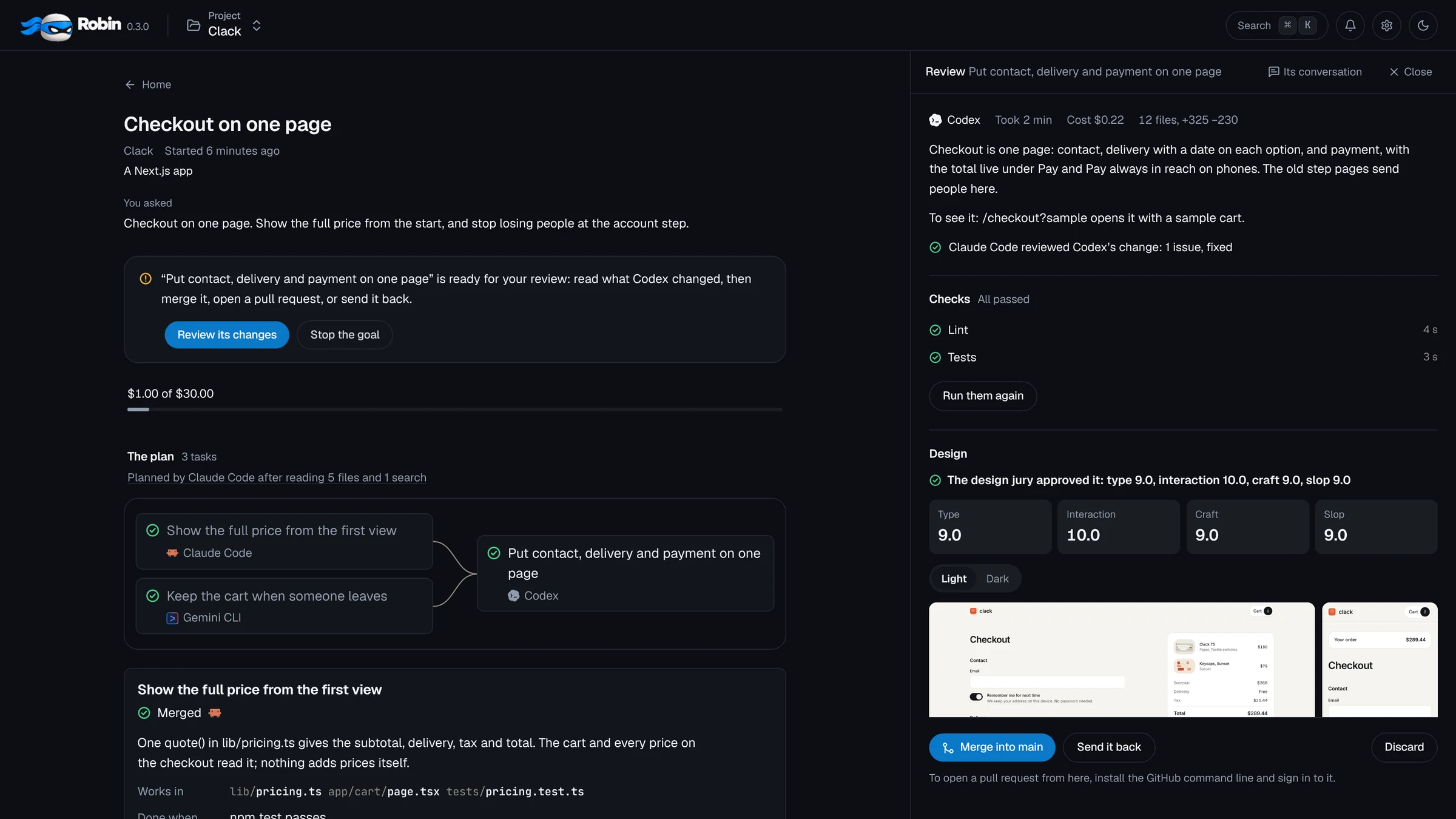
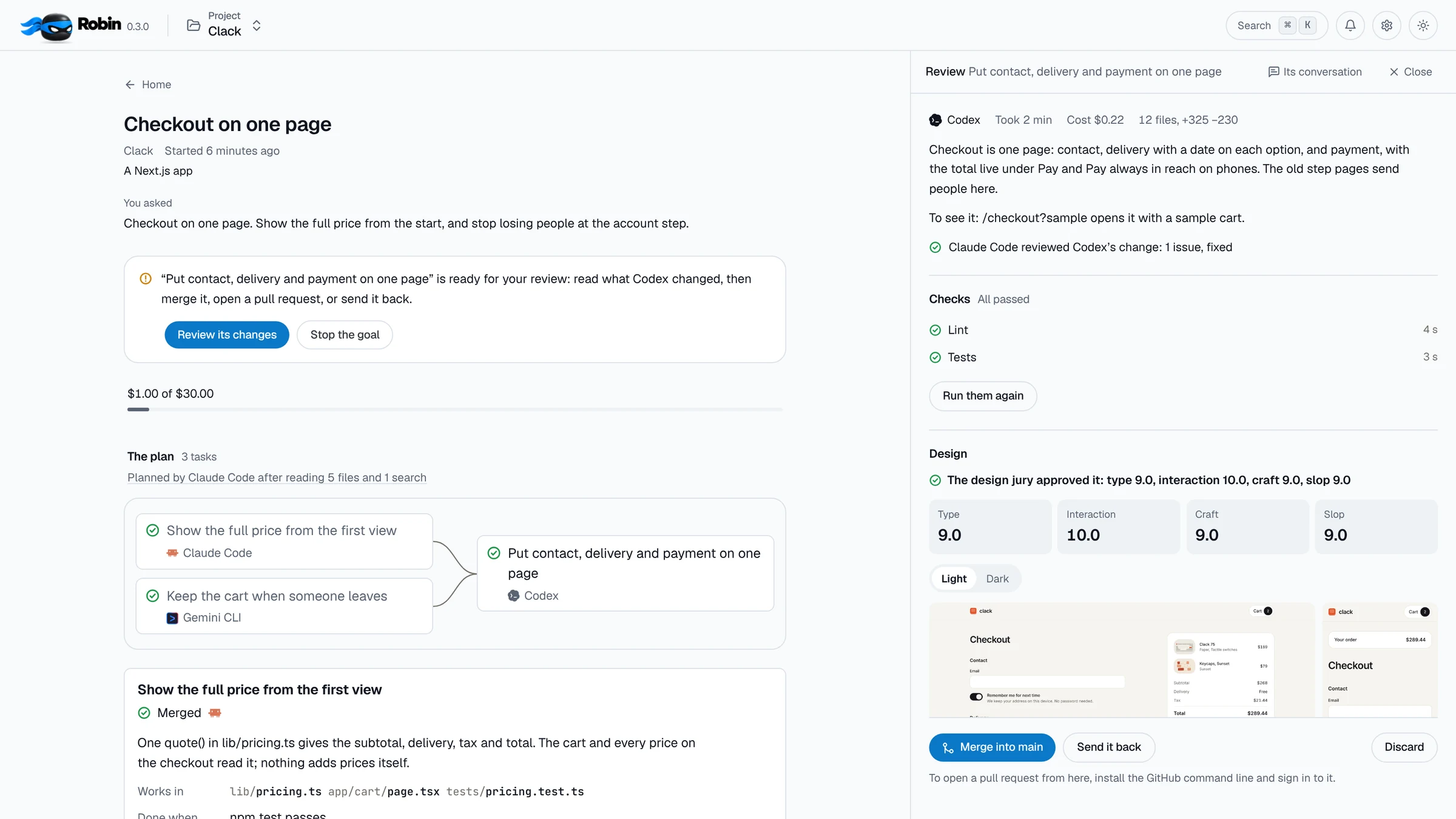
Lint and tests passed. The design jury looked at the new checkout on the desktop and the phone, in light and dark. Merge it, or open a pull request.
- Recap
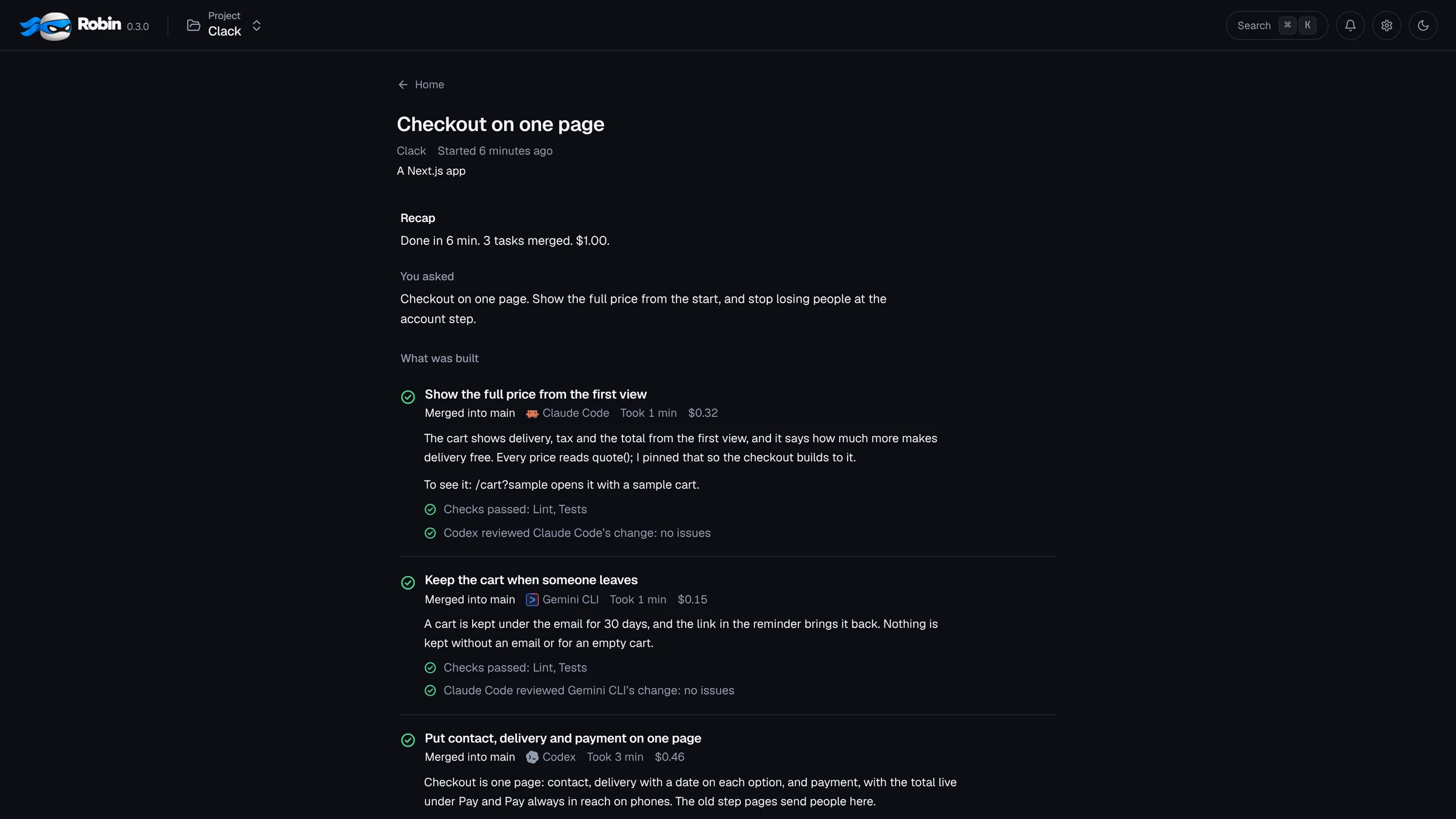
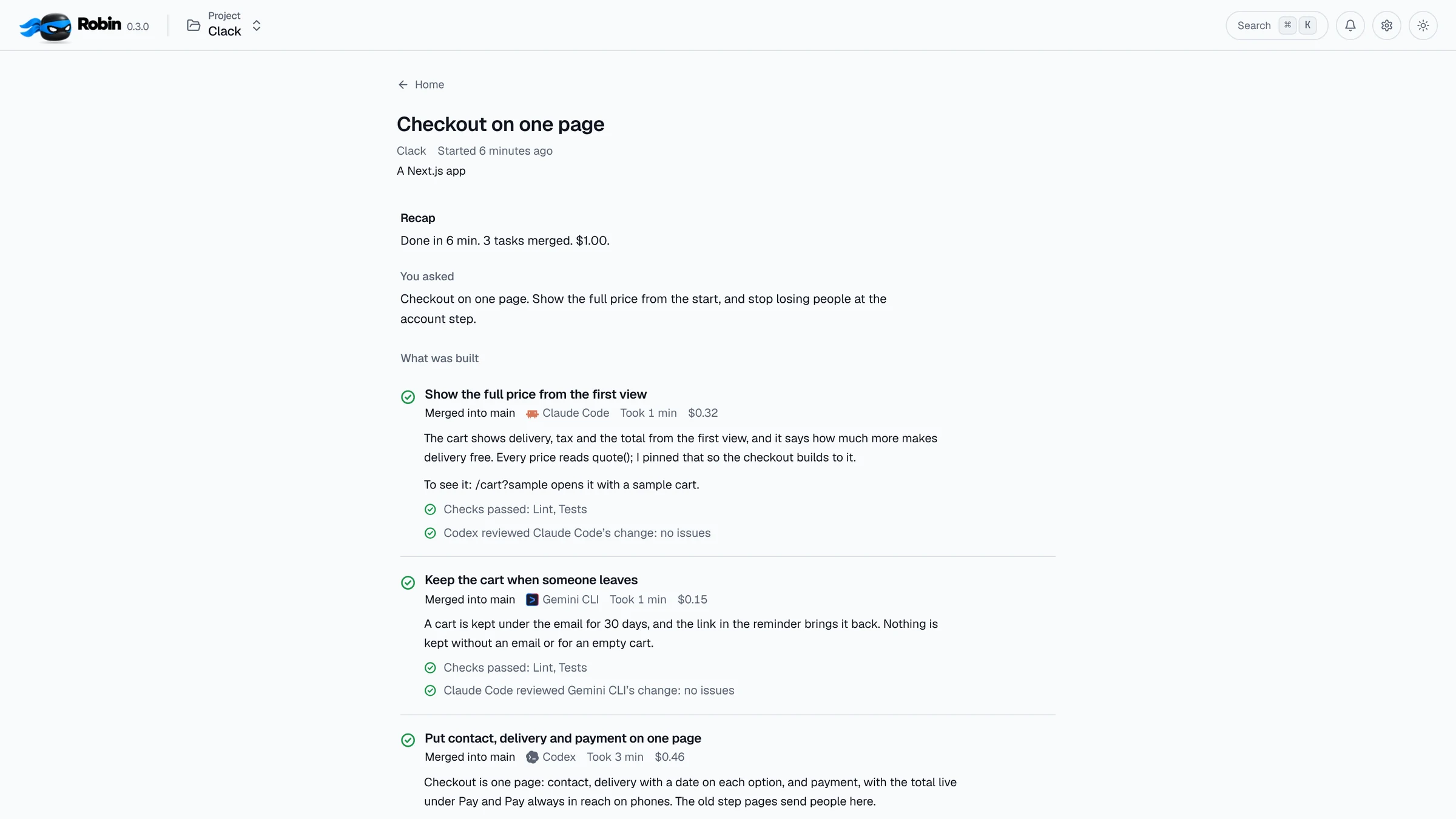
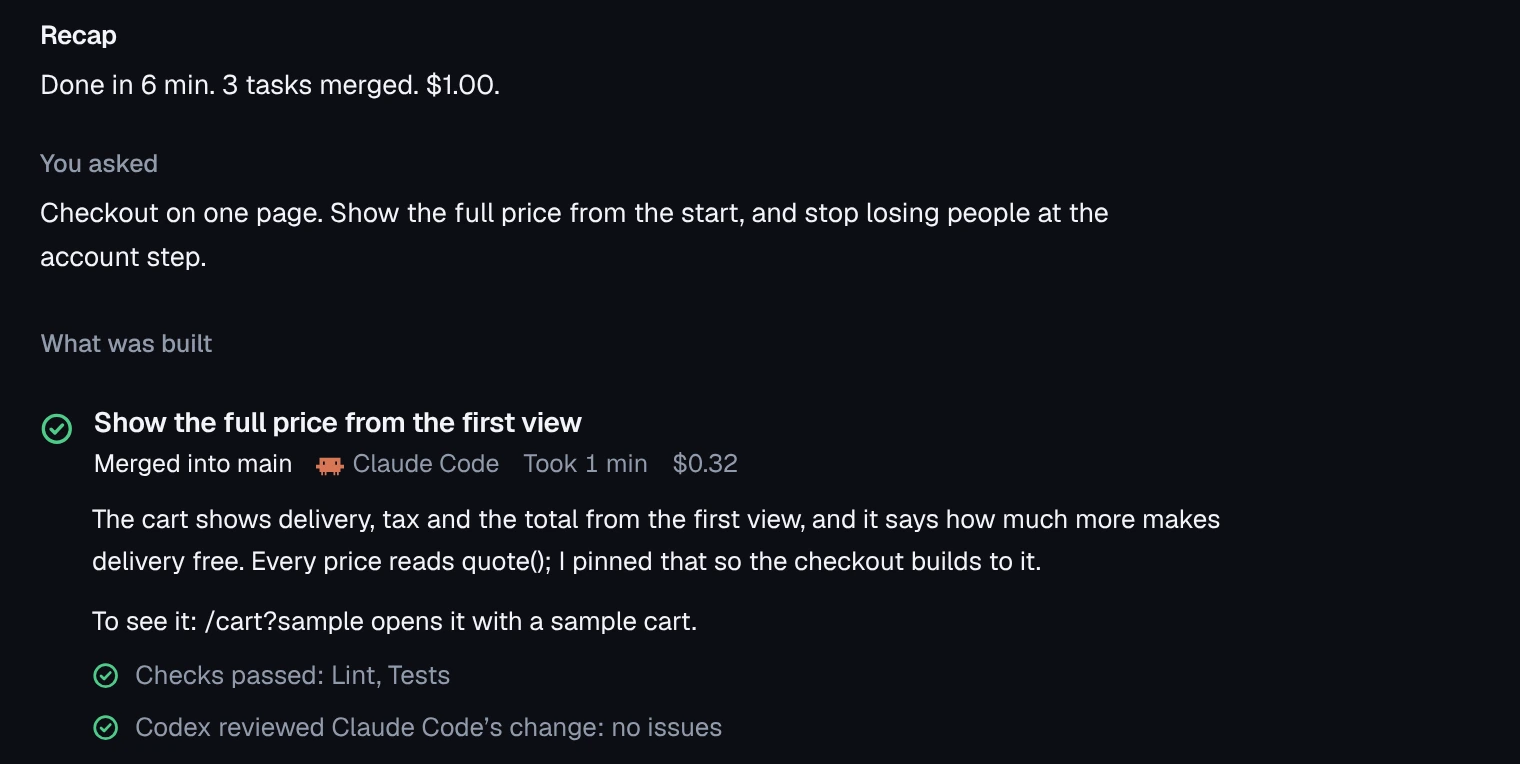
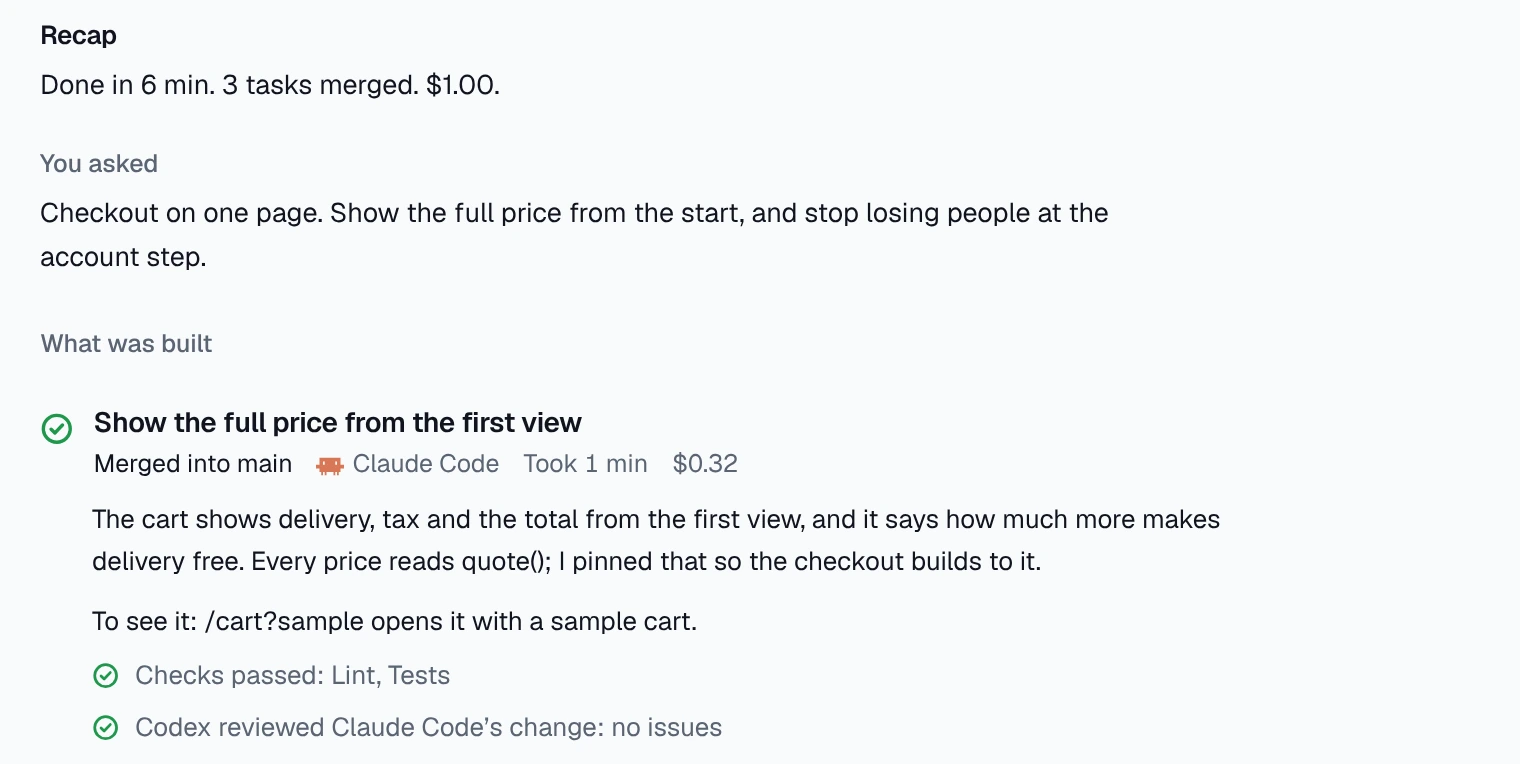
And a record of what happened.
What you asked, what each agent built, how long it took and what it cost, on one page.
The work goes on.
When an agent stops, another continues.
A usage limit, an error, a budget: the task moves to another agent, in the same checkout, with everything it needs.
Mistakes happen once.
What agents learn and agree goes into AGENTS.md, in the same pull request, so the next one starts with it.
Spend stays in view.
What each task and each goal costs, across every vendor, and a budget that pauses the work when it runs out.
Every agent you already use.
Robin finds the ones you’re signed in to and runs them with your own accounts. Mix them on one goal.
Driven through their own protocols
- Claude CodeAgent SDK
- CodexApp server
- Gemini CLIAgent Client Protocol
- CursorAgent Client Protocol
- OpenCodeAgent Client Protocol
- Qwen CodeAgent Client Protocol
- GooseAgent Client Protocol
Joined through MCP, hooks or Robin’s command line
- GitHub Copilot CLIMCP
- Factory DroidMCP and hooks
- AmpMCP
- ClineMCP
- AiderRobin’s command line
Every session joins the plan.
Robin gives every agent its MCP server, its hooks and its command line. Even a session you open yourself takes its next task, asks you, hands off and remembers, from its own shell.
An agent you start yourself runs in a real terminal inside Robin, tied to its goal and its task. It outlives the window, never stalls the app, and answers from your phone too.
$ robin connect --all
# its MCP server and hooks, in every agent you use
$ robin goal new --issue <link>
# a goal from a GitHub or Linear issue
$ robin handoff "…" --to codex
# one agent hands its work to another
$ robin serve
# headless on a server: the app and the goal runner
$ robin serve pair
# a link for your phone or another computer
$ robin mcp knowledge
# what Robin knows, for any local AI client
$ robin doctor
# check the setup, heal the plan
Yours, end to end.
- It runs on your machine.
- No Robin account. No telemetry, unless you point it at a collector of your own.
- Your phone, over your tailnet.
- Served to your own devices through Tailscale, never the public internet. Each phone gets its own key.
- Two locks.
- Every change needs the desktop’s secret or a paired phone, and the phone opens with your face, your finger or a PIN.
- A branch for every task.
- Each task works in its own git worktree, and your own scripts are its checks.
- Issues in, pull requests out.
- Your review and your CI stay the gate. Protected files never change without a person.
- Headless when you want it.
- Run it on a server, and pair your phone and your laptops to it.
Three steps.
- Install Robin.
- It finds the agents you’re signed in to.
- Say what to build.
- Does it replace my agents?
- No. It runs the ones you already pay for, with your accounts.
- Does my code leave my machine?
- Only the way it already does, through your agents’ own providers.
- What needs my approval?
- Real decisions, and anything outside a task’s branch. You set the rest.
- Why does my computer ask before it opens?
- The installers aren’t signed yet. On Windows, choose More info, then Run anyway. On a Mac, open System Settings, Privacy & Security, and choose Open Anyway.